Joint Care Fundamentals
An introduction to how everyday habits relate to general joint comfort — written in plain language, without jargon or promises.
Why everyday habits matter
Joints are involved in almost every movement we make, from walking to typing to carrying groceries. Because of this, the small, repeated habits of daily life — how we sit, how we warm up, how much we rest — tend to matter more over time than any single occasion.
This page brings together general, widely available information about the kinds of habits that people commonly discuss in relation to everyday joint comfort. It is written for general interest and is not intended as personal medical guidance.
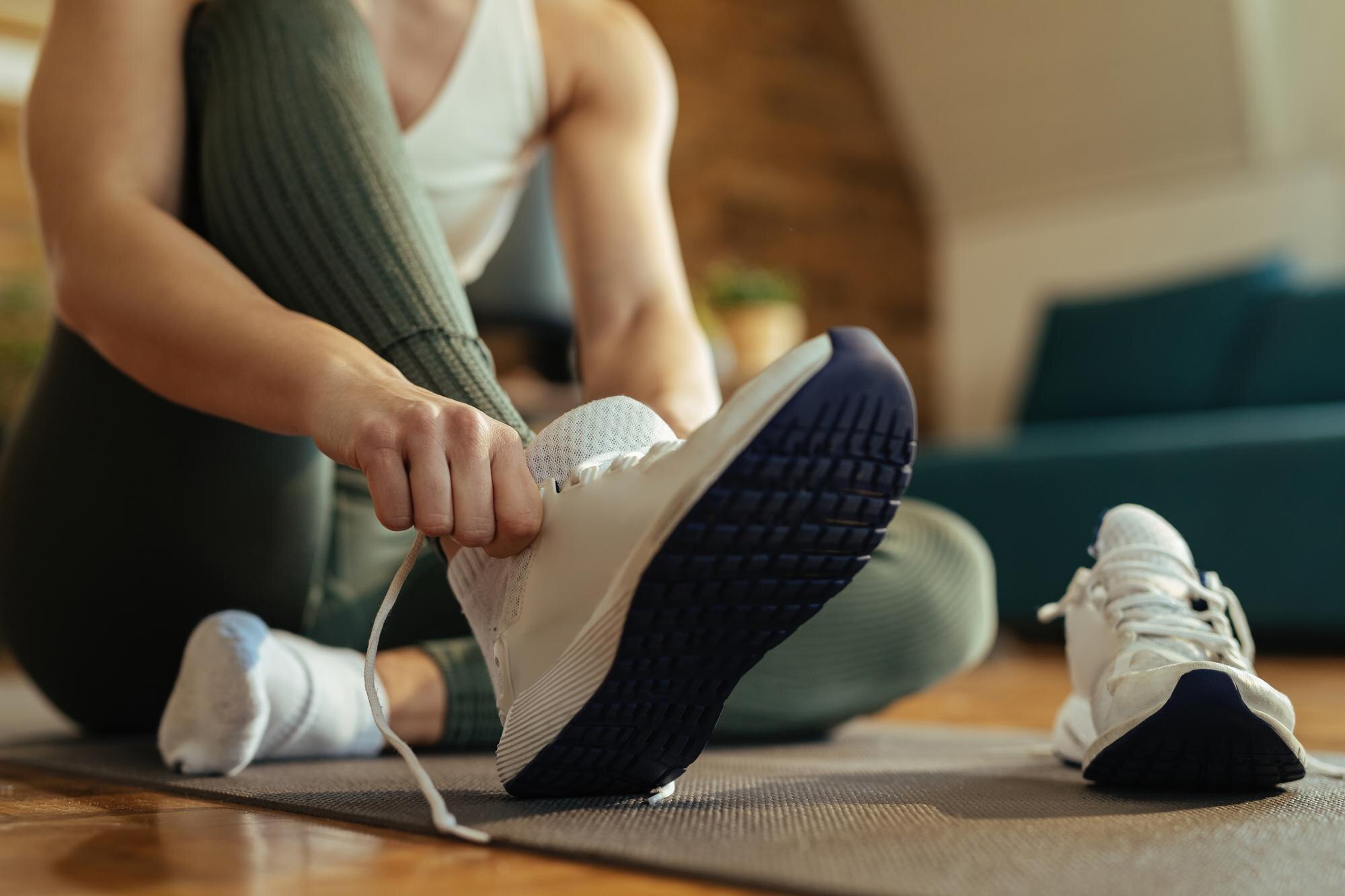
Habits people often mention
Easing into activity
A gradual start to physical activity is a habit frequently mentioned alongside general comfort during movement.
Staying hydrated
General wellness guidance often notes hydration as part of an overall healthy daily routine.
A balanced routine
A balanced approach to nutrition and activity is commonly discussed in general health resources.
Supportive footwear
Comfortable, supportive shoes are frequently referenced in relation to everyday walking comfort.
Planned recovery time
Alternating activity with rest is a pattern often noted in general fitness literature.
Paying attention
Noticing how the body responds to different activities is a habit many general guides encourage.
"General guidance tends to favour consistency over intensity — small habits, kept up over months, rather than occasional bursts of effort."
Totabiv Editorial NoteWalking, swimming, cycling
- Often described as gentle on the body
- Commonly suggested for regular, frequent use
- Frequently paired with a short warm-up
Running, jumping sports
- Often discussed alongside proper footwear
- Commonly balanced with rest between sessions
- Frequently introduced gradually over time
This comparison reflects general, commonly cited patterns and is not a recommendation for any individual activity level.
A few common questions
Is this page a substitute for professional advice? +
No. It is general information intended for education only, and is not a substitute for advice from a qualified healthcare professional.
Where does this general information come from? +
It reflects commonly discussed themes found across general public wellness resources, summarised in plain language.
Should I change my routine based on this page? +
Any changes to activity or routine are best discussed with a qualified professional familiar with your situation.