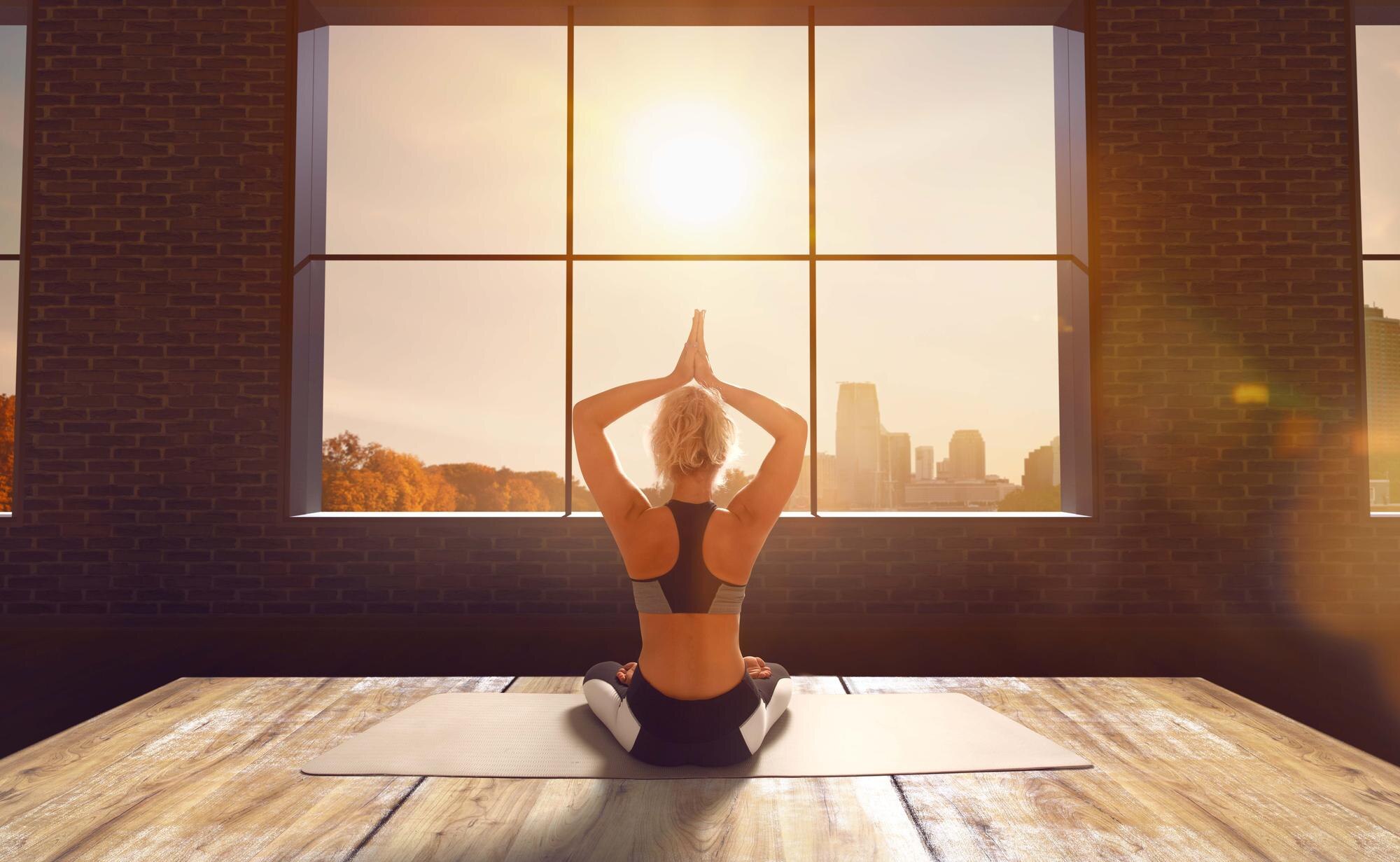
Daily Movement Rituals
Small, repeatable rituals — a few minutes here and there — are often easier to keep up than one long session. Here are general ideas people commonly weave into an ordinary day.
Simple rituals worth considering
A slow start
Some people find a few gentle stretches before the day begins a helpful way to ease into movement.
A standing break
Stepping away from a desk for a short walk is a habit often mentioned in general workplace wellness guidance.
Mindful posture checks
Briefly checking how you are sitting or standing is a simple habit that some people build into their afternoon.
A gentle wind-down
A calm, unhurried evening routine is commonly associated with more comfortable rest in general wellness discussions.
Working at a desk, comfortably
For many people, a large share of the day is spent seated. General ergonomic guidance often centres on small, practical adjustments rather than expensive equipment.
Screen height
Positioning a screen near eye level is commonly suggested to ease neck strain.
Chair support
Feet flat on the floor and lower back supported are frequently mentioned basics.
Movement timer
A simple reminder to stand every so often is an easy habit to set up.
Walking calls
Taking phone calls while walking is one way some people add movement without extra time.
"A ritual only needs to be small enough to repeat, and repeated enough to matter."
Totabiv Editorial Note- Long, uninterrupted periods of sitting
- Screens positioned well below eye level
- Minimal walking between tasks
- Short breaks spread across the hours
- A screen and chair set up thoughtfully
- Walking built into small errands and calls
A few common questions
Do I need special equipment for these rituals? +
No. Most ideas described here rely on ordinary spaces and a few minutes of time rather than specific products.
How quickly should I expect a routine to feel established? +
This varies by person. General guidance often notes that consistency over weeks tends to matter more than speed.
Is this content specific to any condition? +
No. It is general lifestyle information and not tailored advice for a specific health condition.